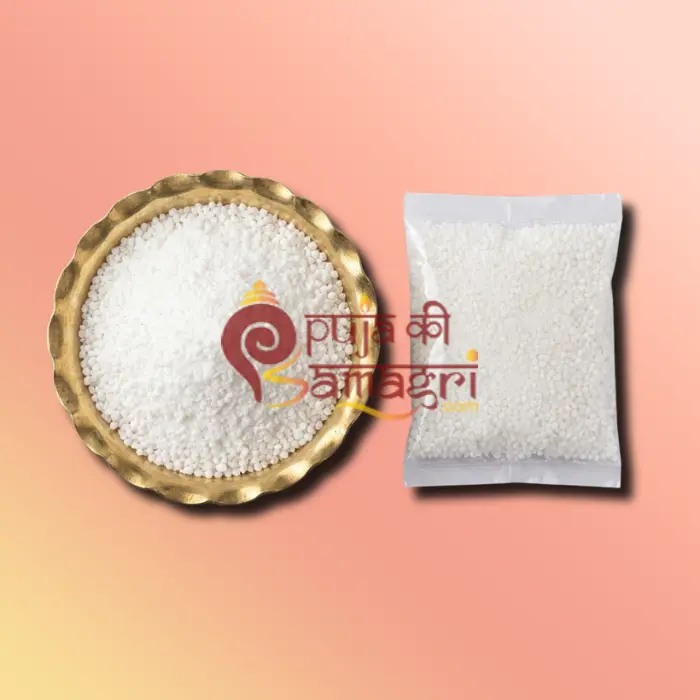
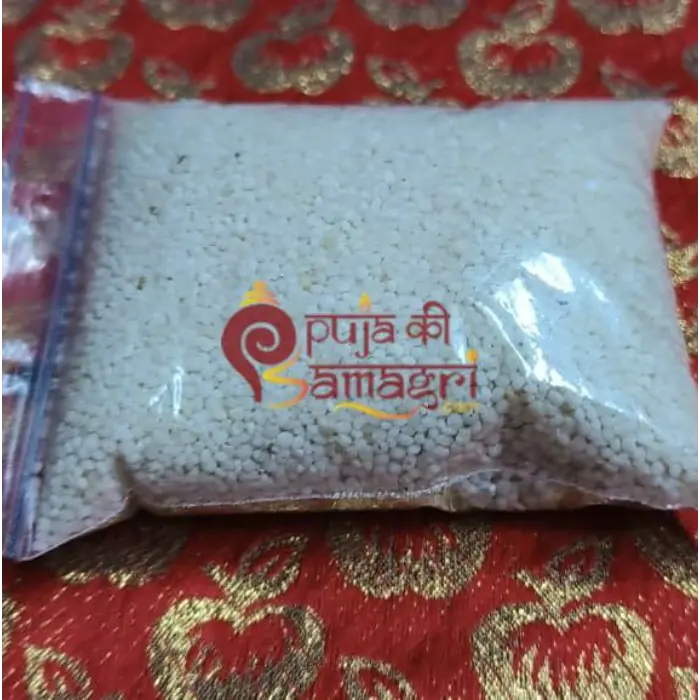
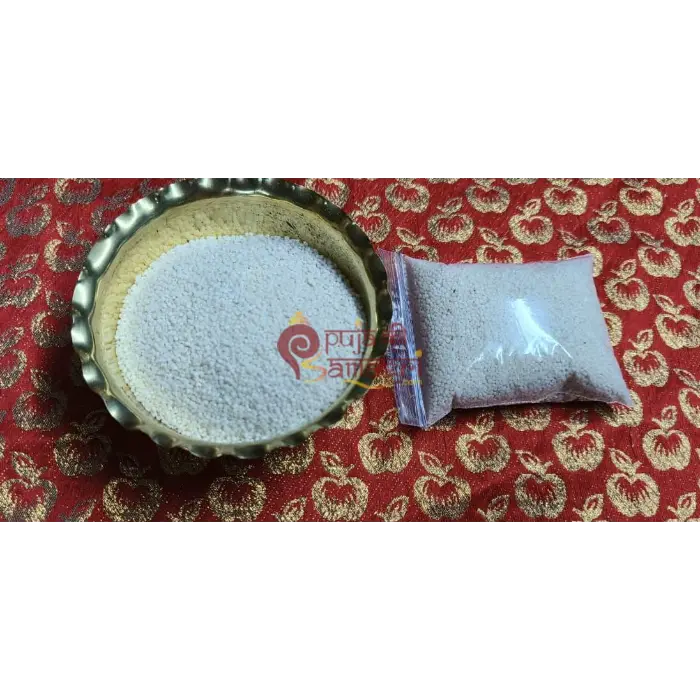
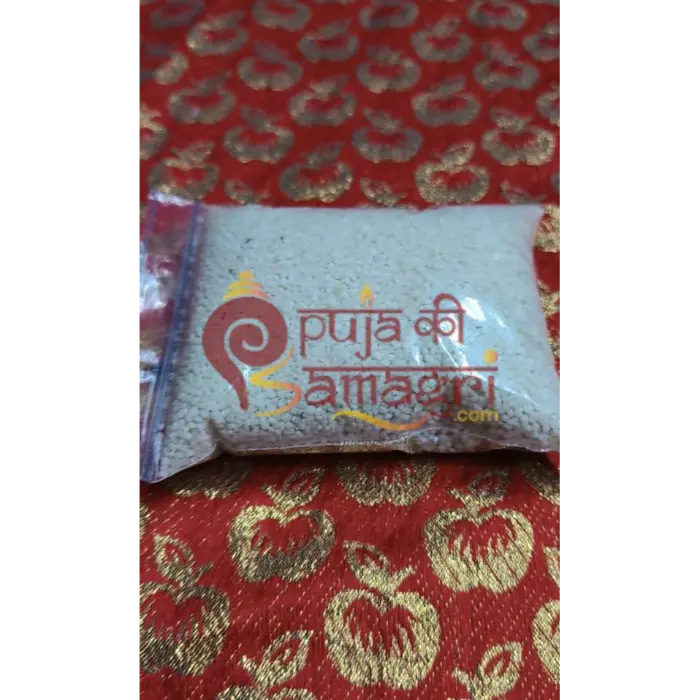
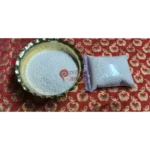
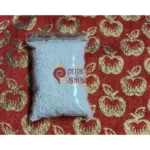
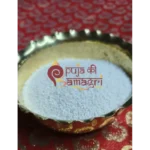
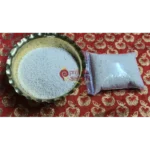
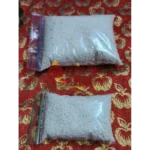
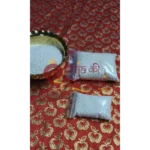
Shyama Rice / Kaun Chal / Samak Chawal

SKU: PUJE-0426-186

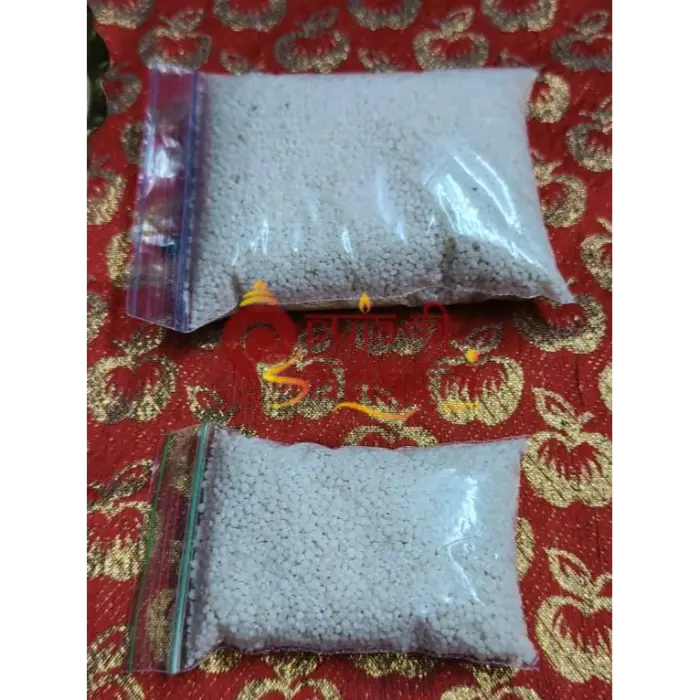
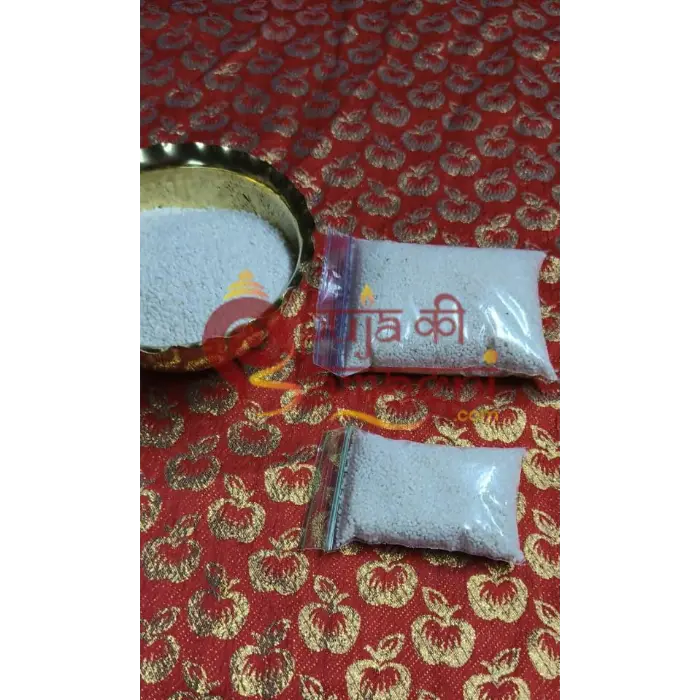
Samak Chawal. Known as Shyama in Bengali and Vrat ke Chawal across North India, this ancient grain has sustained devotees through every major fast in the Hindu calendar for centuries.

700.00

0 People watching this product now!
Delivery icon

Fast Shipping

Carrier information

product-support

24/7 Support

Unlimited help desk

payment-option

Payment Options

Description

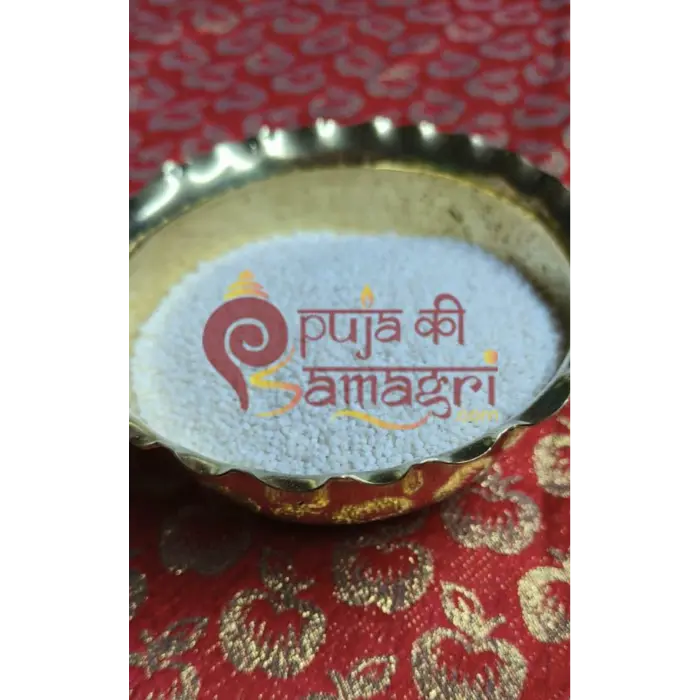
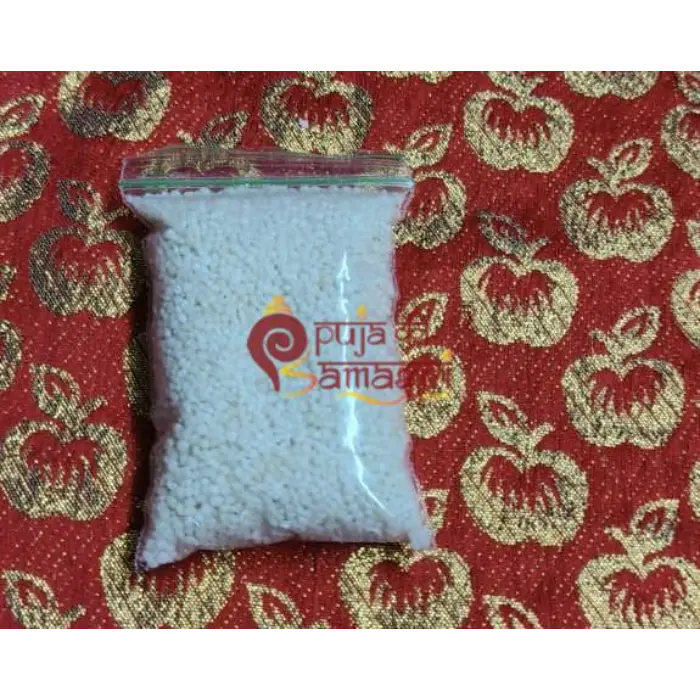
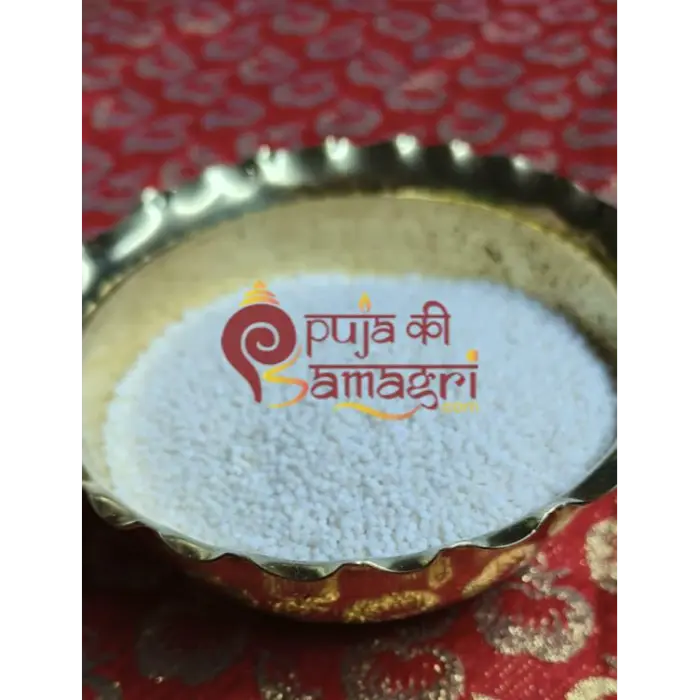
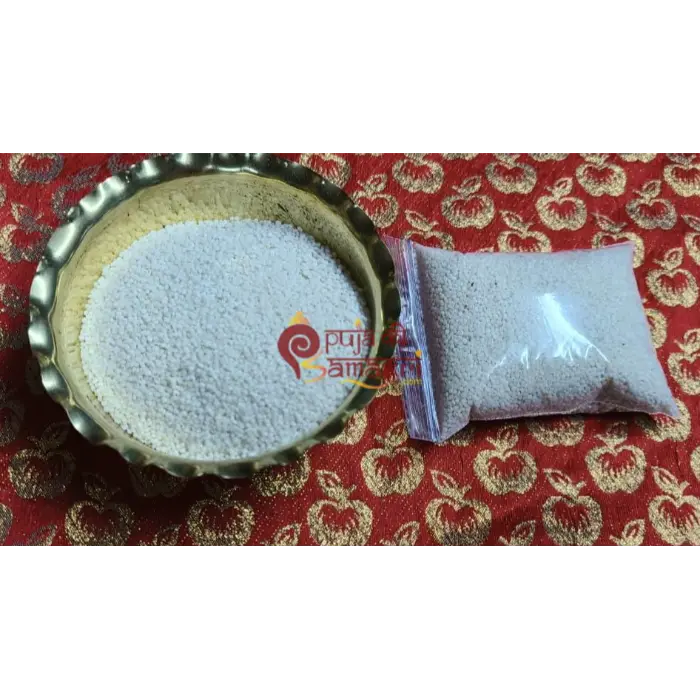
Samak Chawal, known as Shyama in Bengali, is not actually rice but a seed from barnyard millet. A tiny, cream-coloured grain that resembles rice in texture and is specifically consumed during Hindu fasting days when cereal grains like wheat and rice are abstained from. Its prescribed use spans Navratri, Ekadashi, Mahashivratri, Janmashtami, Jaya Parvati Vrat, and Karwa Chauth making it the most universally required fasting grain across the Hindu calendar.

In Ayurveda, Samak Chawal is classified as Madhura and Kashaya in taste with a Sheeta Virya cooling potency. It is considered a Sattvic food that balances Pitta and Kapha doshas, promotes mental clarity, and is Laghu; light on the digestive fire; making it ideal for consumption during fasting when the body undergoes natural detoxification.

Its Sattvic classification is precisely why it is prescribed for vrat days. Hindu fasting tradition calls not just for abstaining from tamasic foods but for consuming only those ingredients that support the clarity of mind and lightness of body required for sustained prayer and spiritual focus.

Key Features

  • Used in place of regular grains during major fasts, making it a key ingredient in fasting rituals.
  • Gluten-free, light, and energy-sustaining; ideal for long fasting hours without heaviness.
  • Used to prepare pulao, khichdi, kheer, and idli, making it a complete fasting staple.

Why Choose This Product

  • Only Prescribed Vrat Grain: Samak Chawal is the designated grain substitute for fasting, not a general food adapted for vrat use.
  • Sattvic & Ayurvedic: Naturally light and cooling, it aligns with the spiritual purpose of fasting, not just dietary needs.
  • All-Season Vrat Essential: Used across Navratri, Ekadashi, Mahashivratri, Janmashtami, and Karwa Chauth, making it a staple vrat item year-round.

Uses / पूजा में उपयोग

  • Navratri Vrat Meals: Cooked as Samak Chawal pulao or khichdi with ghee, rock salt, and permitted vegetables across all nine days of Navratri fasting, serving as the primary grain substitute when cereal grains are abstained from.
  • Ekadashi and Vishnu Vrat Fasting: Consumed on Ekadashi vrat days as a sattvic, grain-free meal that fulfils the fasting requirement while maintaining the lightness and purity of diet prescribed for Vishnu observance days.
  • Mahashivratri and Jaya Parvati Vrat: Used during Mahashivratri and Jaya Parvati Vrat fasting periods where only sattvic, non-cereal ingredients are permitted, providing a nourishing and ritually appropriate meal throughout the observance.
  • Janmashtami Fasting Meals: Prepared as vrat ke chawal kheer or pulao during Janmashtami fasting, offering a light and sattvic meal that sustains the devotee through the midnight celebration of Lord Krishna's birth.
  • Karwa Chauth and Married Women's Vratas: Consumed during Karwa Chauth and Solah Somvar Vrat as the permitted grain substitute, providing the sustained nourishment married women need through the full-day fast observed for the husband's long life and well-being.
Every fast in the Hindu calendar asks the devotee to eat less and pray more and Samak Chawal has been answering that call for centuries, a grain that sustains the body lightly enough that the spirit can do the heavier work of the day.