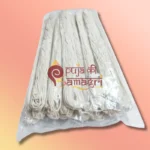
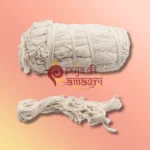
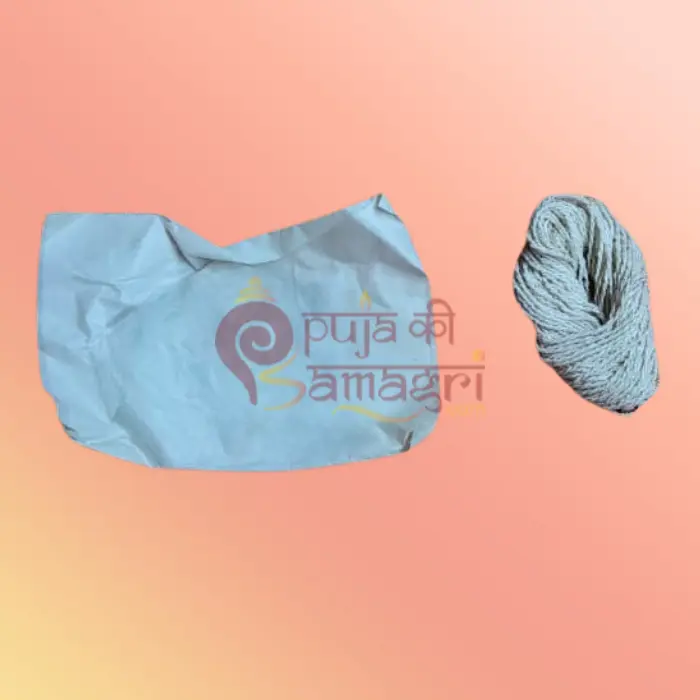
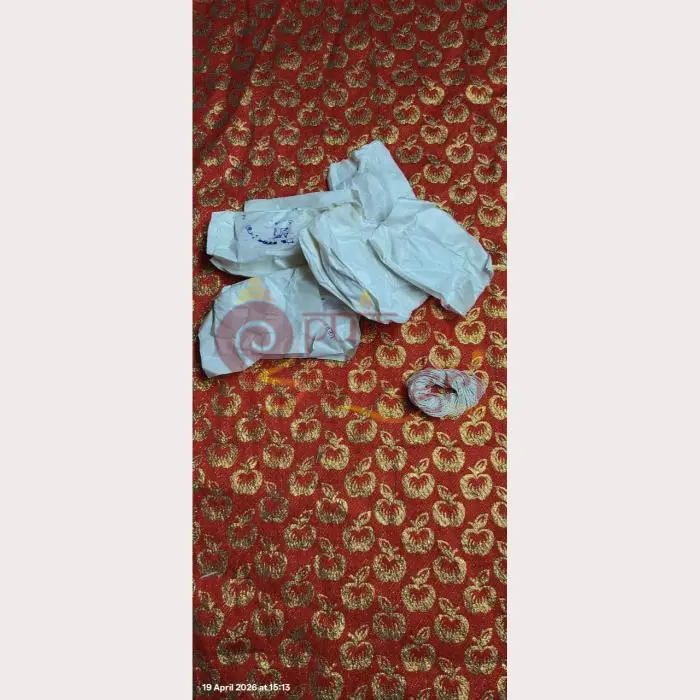
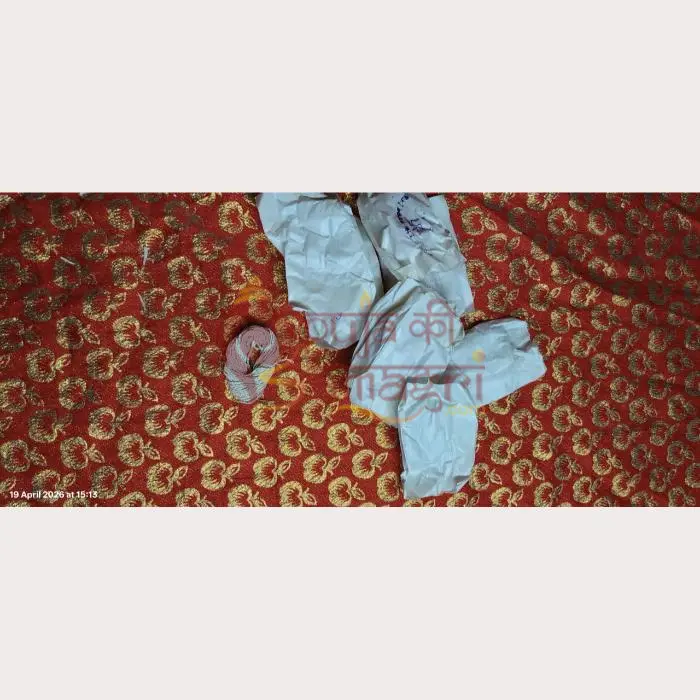
Janoi / Janeu

SKU: PUJE-0426-231

The Yajnopavit Sanskar marks a child’s “second birth”, not physical, but spiritual signifying the awakening of intellect and the beginning of Vedic learning.

120.00

0 People watching this product now!

Fast Shipping

Carrier information

product-support

24/7 Support

Unlimited help desk

payment-option

Payment Options

Description

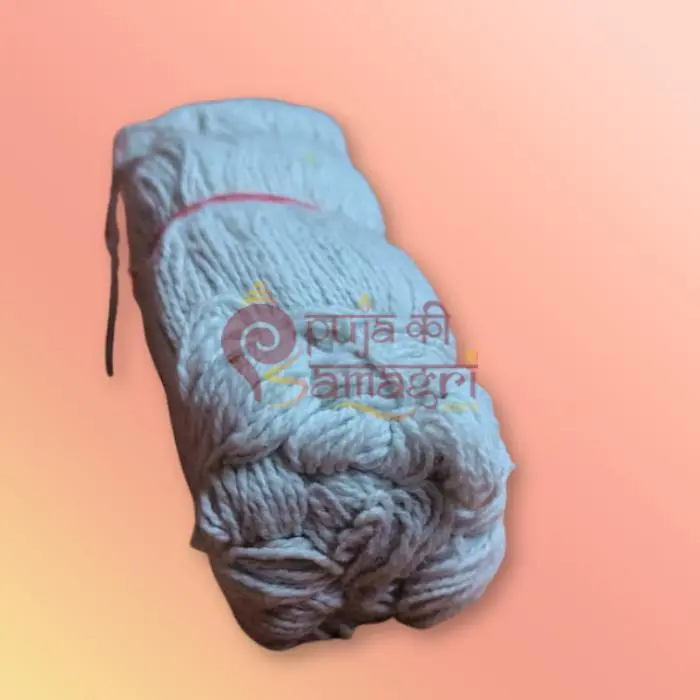
The Janeu, worn from this initiation onward, serves as the lifelong symbol of that sacred transformation.

The significance of Janeu is documented in the Brahmo Upanishad, which states that the sacred thread represents the heart as the abode of Supreme Brahman in three forms.

The Padma Purana also references the importance of the Trivrutsutram; the three-stranded sacred thread specifically for Brahmin Yagnopavit.

The three strands of the Janeu symbolise the Hindu Trinity of Shiva, Vishnu, and Brahma. It is worn by Brahmins, Kshatriyas, and Vaishyas after marriage, the three-threaded Yagnopavit is replaced by a six-threaded one, symbolising the additional responsibilities of married life.

Known by different names across India, Poite in Bengal, Janoi in Gujarat, Munj in Maharashtra, and Yagnopaveetam in Andhra Pradesh; the sacred thread ceremony and the Janeu itself remain consistent in their core purpose: the vow of learning, discipline, and devotion that defines the Brahmacharya Ashrama.

Key Features

  • Described as Trivrutsutram in texts like the Brahmo Upanishad and Padma Purana, giving it strong ritual authority.
  • Three strands represent Shiva, Vishnu, and Brahma; worn on the left shoulder and shifted during Tarpan and Shraddha rituals.
  • Worn after Upanayana Sanskar, symbolising one’s duties to God, parents, and teacher.

Why Choose This Product

  • Scripturally Rooted: Referenced in texts like the Brahmo Upanishad, Padma Purana, and even the Hanuman Chalisa, reflecting its deep spiritual authority.
  • Essential for Initiated Worship: Worn after Upanayana Sanskar, it is a mandatory part of Vedic rituals for every initiated devotee.
  • Pure Cotton Material: Made from natural cotton, ensuring ritual purity and comfortable daily wear.

Uses / पूजा में उपयोग

  • Upanayana and Thread Ceremony: The Janeu is invested on the child during the Upanayana Sanskar while reciting the Gayatri Mantra, marking his formal initiation into Vedic study and the Brahmacharya Ashrama under a guru's guidance.
  • Daily Puja and Ritual Worship: Worn during daily prayers and puja by initiated Hindu men, the Janeu in the Upavita position over the left shoulder is the prescribed wearing during all acts of deity worship and Vedic recitation.
  • Tarpan and Shraddha Rituals: Switched to the Pracinavita position over the right shoulder during ancestral Tarpan and Shraddha rituals, the Janeu signals the shift from deity-facing worship to ancestor-facing ritual as prescribed in the Vedic tradition.
  • Offering Janeu to Deity Idols: Offering the Janeu to deities during puja is described as binding the deity's divine energy within the rounds of the sacred thread, activating the attributeless principle of God from the Universe to function for the embodied soul as per their devotion.

From the moment the Janeu is placed on a child's shoulder during Upanayana to every morning it is worn before the first prayer of the day, it carries the same three threads of obligation to God, to parents, and to the teacher; that every initiated Hindu has promised to honour for the rest of their life.